Get Flood Damage Restoration
Flood damage restoration services help property owners recover from water intrusion by removing water, drying affected areas, cleaning, and repairing structural damage with local contractors.
Flood damage restoration is a critical service for property owners dealing with the aftermath of water intrusion. Whether caused by storms, plumbing failures, or other unforeseen events, addressing flood damage promptly can help minimize long-term issues and protect the value of a property. Local contractors specializing in flood damage restoration are equipped to assess the extent of water intrusion, remove standing water, and begin the process of drying and drying out affected areas. Exploring options in the area ensures property owners can compare services and find the right professionals to handle their specific needs.
Planning a flood damage restoration project involves understanding the scope of work required to restore a property safely and effectively. Property owners may seek local service providers to evaluate damage, recommend appropriate remediation steps, and ensure the work adheres to industry standards. By reviewing local options, property owners can make informed decisions about which contractors are best suited to handle their project, helping to restore their property efficiently and with confidence.
- Basement Flooding - when heavy rains or plumbing failures cause water to accumulate in lower levels of a property.
- Storm Damage - following severe weather events that result in floodwaters entering homes or commercial spaces.
- Pipe Bursts - when broken or frozen pipes release large amounts of water, damaging floors and walls.
- Sump Pump Failures - during malfunctions that lead to water backing up and flooding interior spaces.
- Roof Leaks - after storms or aging roofing causes water to seep into ceilings and walls, leading to potential flooding.
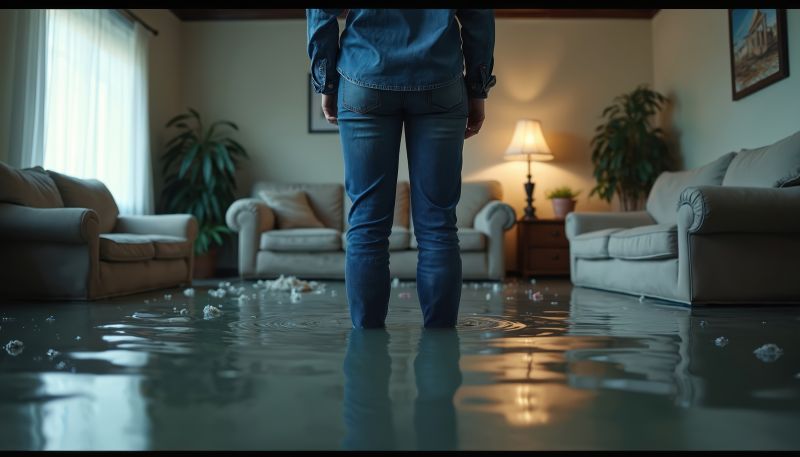
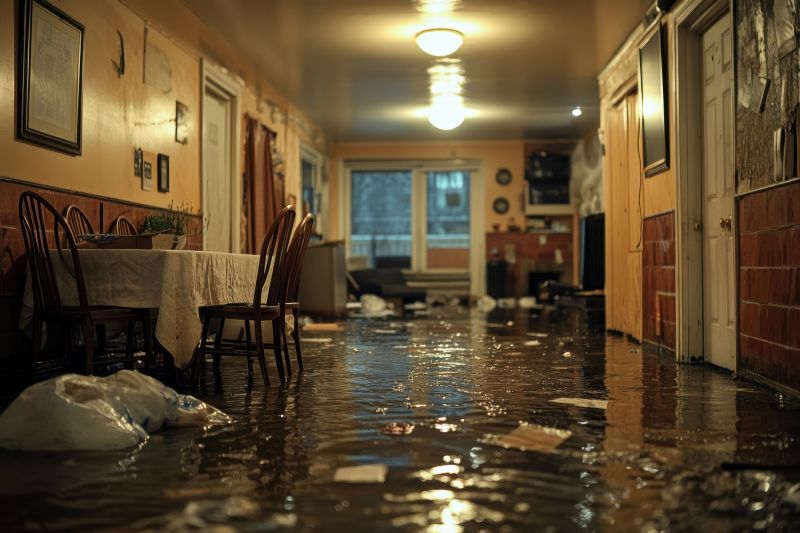

Flood damage restoration services involve the process of cleaning up and repairing properties affected by water intrusion. When a property experiences flooding due to heavy storms, burst pipes, or plumbing failures, water can quickly seep into floors, walls, and furnishings, leading to significant damage. Professional service providers assess the extent of the flooding, remove standing water, dry out affected areas, and address any resulting issues such as mold growth or structural weakening. This comprehensive approach helps homeowners restore their property to a safe and livable condition.
These services are essential for resolving a variety of problems caused by flooding. Water intrusion can lead to warped flooring, stained walls, and compromised drywall. If not addressed promptly, moisture can promote mold and mildew growth, which may pose health risks and require further remediation. Flood damage restoration also involves sanitizing affected areas to eliminate bacteria and odors, preventing long-term issues. By handling these concerns, local contractors help protect both the property’s value and the health of its occupants.
Flood damage restoration is commonly needed for residential properties, including single-family homes, townhouses, and condominiums. Commercial buildings and multi-family complexes may also require these services following a flood event. Any property that experiences significant water intrusion due to natural disasters, plumbing failures, or accidental overflows can benefit from professional restoration. Homeowners and property managers often seek out local service providers to efficiently manage the cleanup process and minimize the disruption caused by water damage.
Understanding when flood damage restoration is necessary can help homeowners act quickly to limit damage. Signs include visible water pooling, damp or stained walls and floors, a persistent musty smell, or the presence of mold. If a property has experienced flooding or water intrusion, contacting experienced local contractors can ensure that the affected areas are properly dried, cleaned, and repaired. Connecting with qualified service providers can help restore the property’s safety, integrity, and appearance after water damage occurs.
The overview below groups typical Flood Damage Restoration projects into broad ranges so you can see how smaller, mid-sized, and larger jobs often compare in your area.
In many markets, a large share of routine jobs stays in the lower and middle ranges, while only a smaller percentage of projects moves into the highest bands when the work is more complex or site conditions are harder than average.
Smaller Repairs - Typical costs for minor flood damage repairs generally range from $250 to $600, covering tasks like drying out affected areas and minor cleanup. Many routine jobs fall within this middle range, depending on the extent of water intrusion.
Moderate Damage Restoration - Projects involving more extensive water extraction, drying, and limited structural repairs usually cost between $1,000 and $3,500. Larger, more complex jobs can push costs higher, but most fall within this range.
Major Flood Damage - Significant flood events that require extensive structural repairs, mold remediation, or replacement of damaged materials can range from $4,000 to $10,000 or more. These higher costs are less common but are necessary for severe situations.
Full Property Replacement - In cases where flood damage is extensive enough to necessitate full property replacement, costs can exceed $50,000, though such cases are rare and depend heavily on property size and scope of work.
Actual totals will depend on details like access to the work area, the scope of the project, and the materials selected, so use these as general starting points rather than exact figures.
Water Damage Repair - professionals who specialize in restoring properties affected by water intrusion often use similar skills and tools as flood damage restoration teams.
Mold Remediation - removing mold after water damage requires moisture control and cleanup techniques comparable to flood recovery efforts.
Structural Drying - drying out building structures after water intrusion involves equipment and planning similar to flood damage mitigation.
Basement Waterproofing - sealing and waterproofing foundations relates to flood restoration by addressing moisture intrusion and preventing future damage.
Emergency Water Extraction - rapid removal of standing water is a critical step shared by flood damage restoration and emergency water cleanup projects.
Storm Damage Restoration - repairing properties affected by storms often involves water removal and structural repairs akin to flood damage services.
When comparing flood damage restoration service providers, it’s important to consider their experience with similar projects. Homeowners should look for local contractors who have a track record of successfully handling flood-related repairs and water damage mitigation. An experienced service provider will be familiar with the common challenges that arise during flood restoration and will be better equipped to address issues efficiently and effectively. This background can help ensure that the work is completed to a high standard and reduces the likelihood of recurring problems down the line.
Clear written expectations are a vital part of choosing the right flood damage restoration provider. Homeowners should seek out local contractors who can provide detailed estimates and scope of work upfront. Transparent communication about what services will be performed, what materials will be used, and what the process entails helps prevent misunderstandings and sets a solid foundation for the project. Service providers who prioritize clarity in their written expectations demonstrate professionalism and a commitment to delivering results that align with the homeowner’s needs.
Reputable references and good communication are key indicators of a dependable flood damage restoration contractor. Homeowners are encouraged to ask for references from past clients who experienced similar projects, as these insights can reveal the quality of work and level of customer satisfaction. Additionally, service providers who maintain open, responsive communication throughout the process help ensure that questions are answered and concerns are addressed promptly. While the site introduces homeowners to local options, it’s essential to evaluate each contractor’s experience, clarity, and communication to find a professional capable of managing the job effectively.
Property owners use Flood Damage Restoration services for practical projects around their homes and businesses. This guide focuses on everyday jobs and straightforward project options.
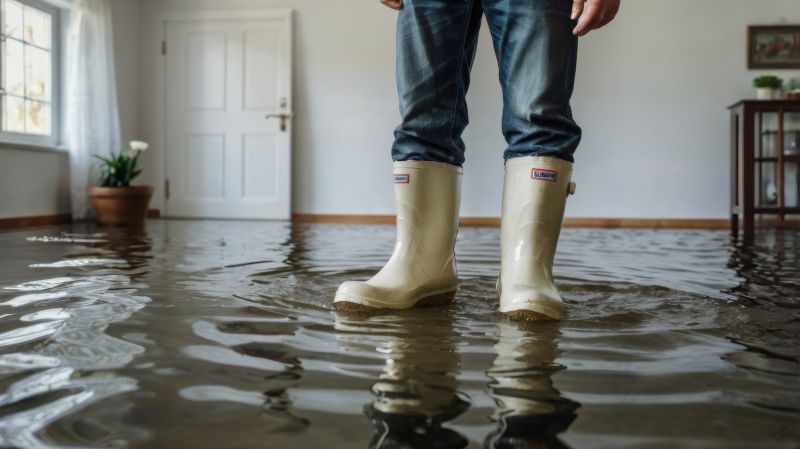
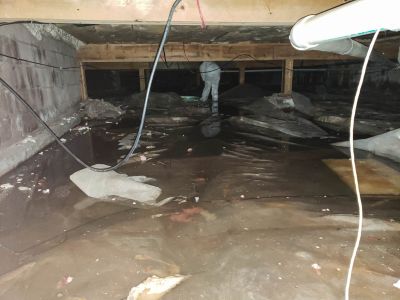
Flood damage restoration is often needed after heavy rainstorms, burst pipes, or other unexpected water intrusions that can leave property owners dealing with wet carpets, soaked walls, or standing water. Local contractors specializing in flood damage restoration can assess the extent of the water intrusion, remove standing water, and begin the drying process to help prevent further issues like mold growth or structural damage. Many property owners seek these services to restore safety and comfort to their homes or businesses following water-related emergencies.
In addition to emergency situations, property owners might look for flood damage restoration services when they notice signs of water damage such as warped flooring, musty odors, or visible mold. Local service providers can help address these issues quickly, reducing the risk of long-term damage and helping to restore the property to its pre-flood condition. Connecting with experienced contractors ensures that the restoration work is handled efficiently and effectively, giving property owners peace of mind during a stressful time.
What types of flood damage do restoration services handle? Local contractors typically manage water extraction, drying, mold prevention, and cleanup for various flood-related damages, including basement flooding, pipe leaks, and storm-related water intrusion.
How do flood damage restoration services prevent mold growth? Service providers often use moisture removal techniques and antimicrobial treatments to inhibit mold development after flooding incidents.
Can flood damage restoration restore personal belongings? Many local contractors offer salvage and cleaning options for furniture, clothing, and other personal items affected by floodwaters, depending on the extent of damage.
What is involved in the flood damage cleanup process? The process generally includes water removal, drying and dehumidification, cleaning and sanitizing surfaces, and addressing any structural repairs needed.
Are there specific services for flood damage in basements? Yes, local service providers often specialize in basement flood cleanup, including sump pump assistance, waterproofing, and moisture control measures.
Water Damage Cleanup - Property owners can use this service to remove excess water after a leak or flooding event, helping to prevent mold growth and structural damage.
Mold Remediation - Local contractors can assess and eliminate mold caused by water intrusion, promoting healthier indoor air quality.
Structural Drying - Professionals can dry out walls, floors, and ceilings to minimize long-term damage and prepare the space for repairs.
Content Restoration - Service providers can restore or salvage personal belongings affected by floodwaters, reducing loss and waste.
If you are thinking about Flood Damage Restoration for a property, this guide is meant to help you understand the work, the typical project types, and how different options might fit your plans.
When you are ready, you can use the quote form on this page to share a few details about your project. From there, local pros can review the basics and respond with options that match what you have in mind.